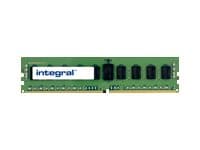
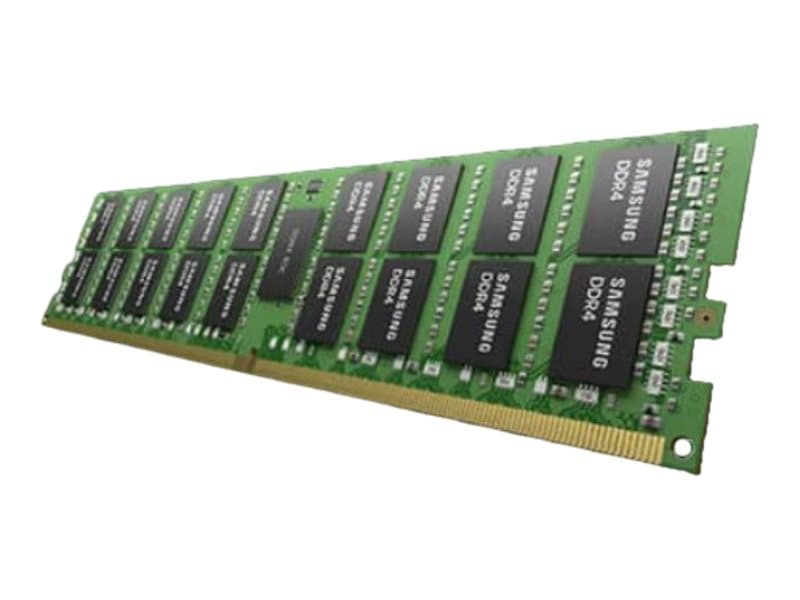
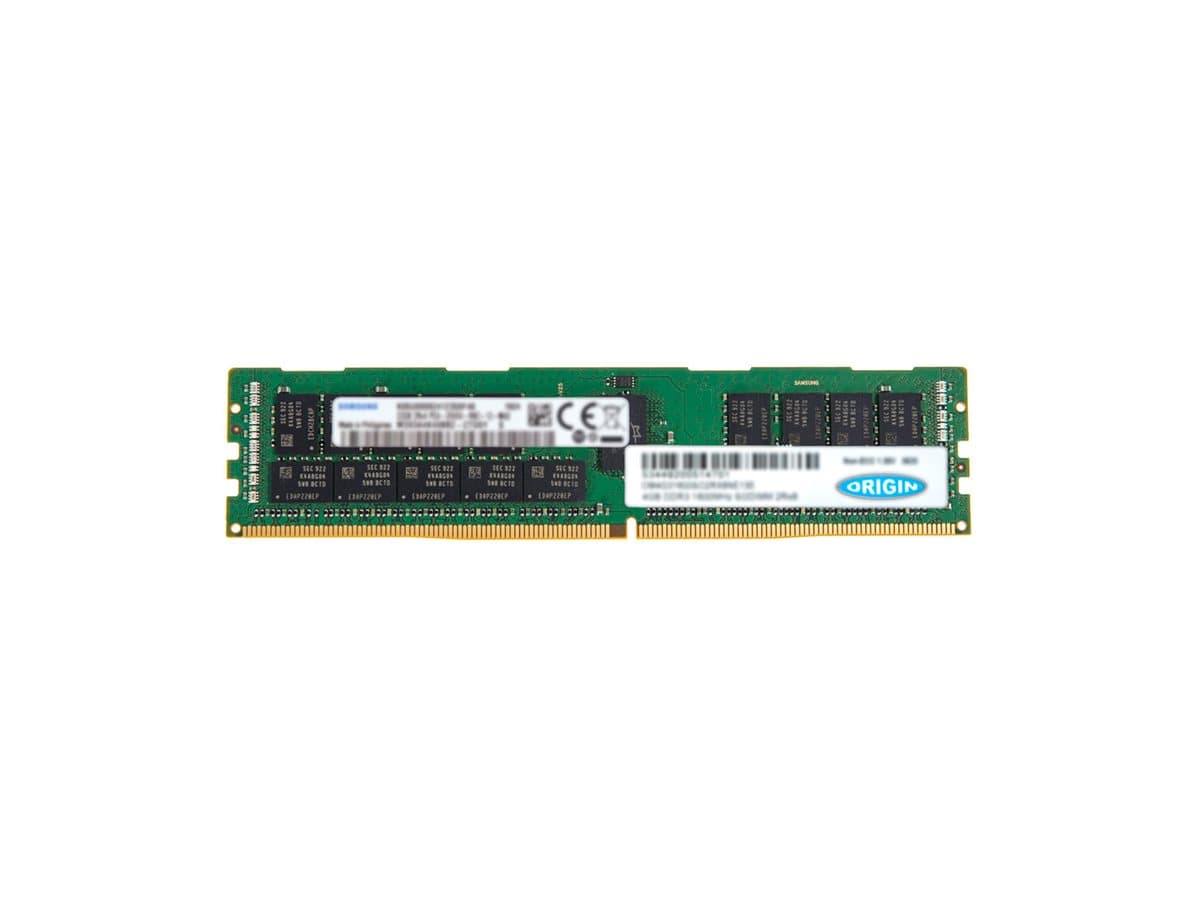
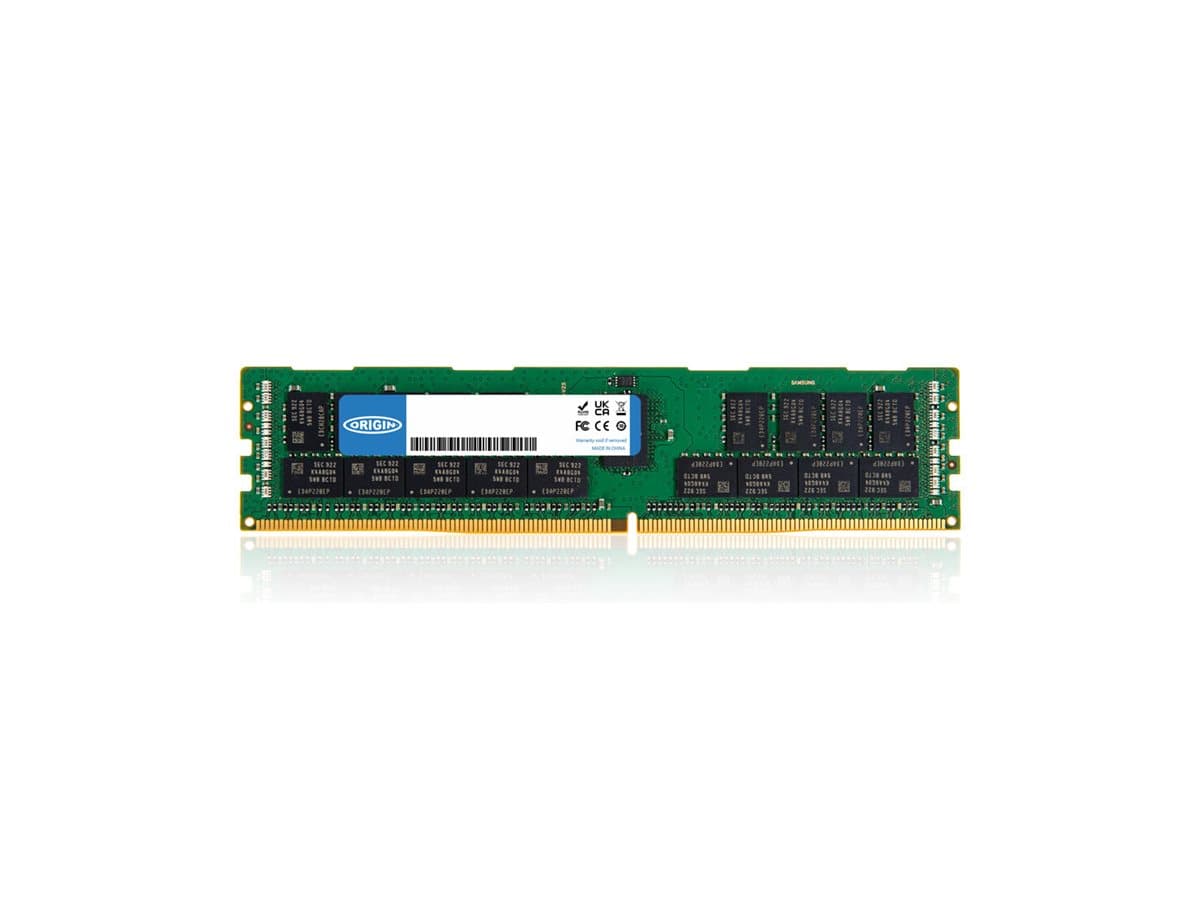
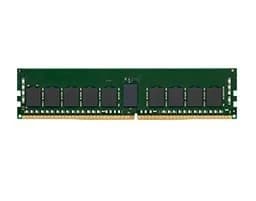
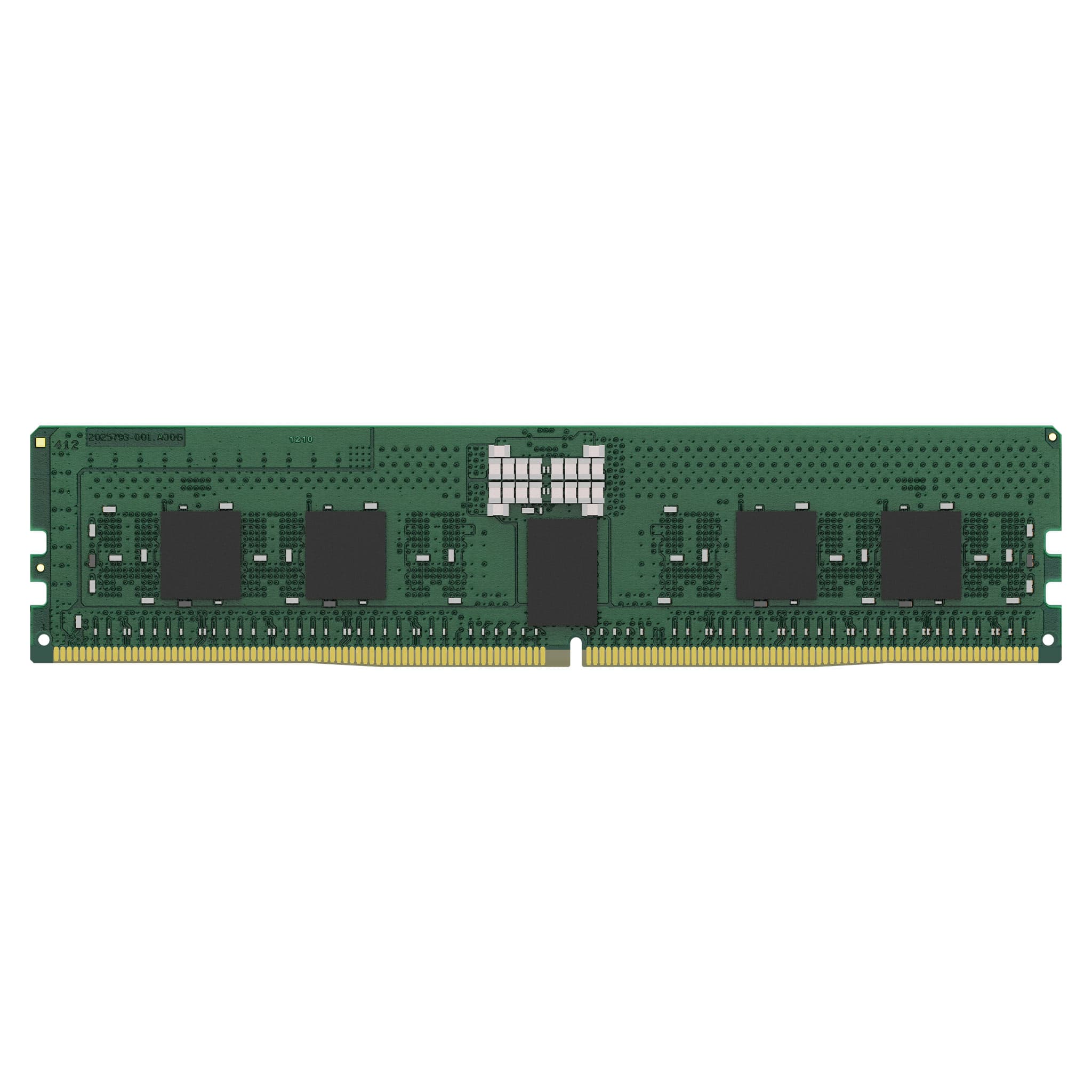
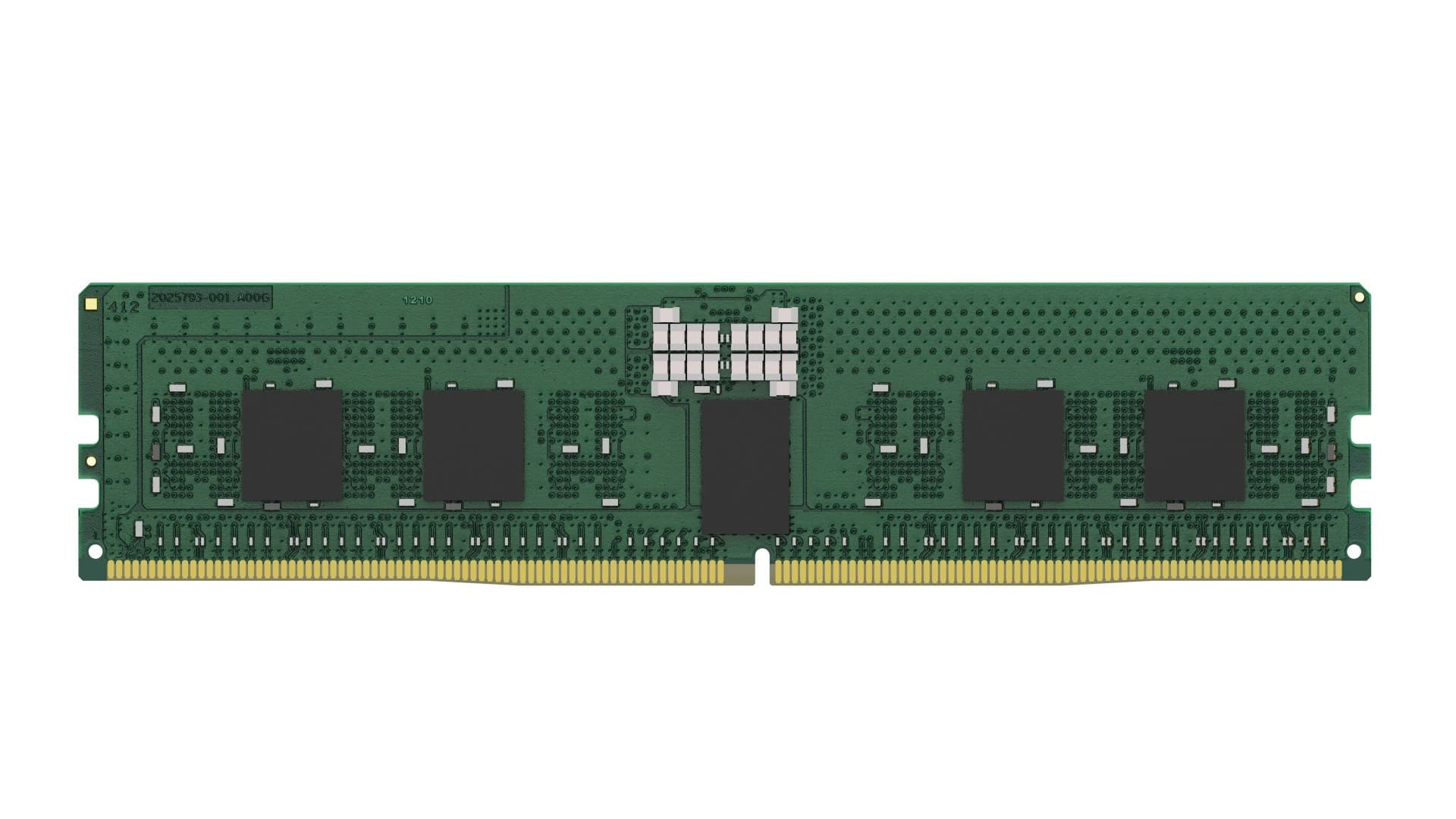
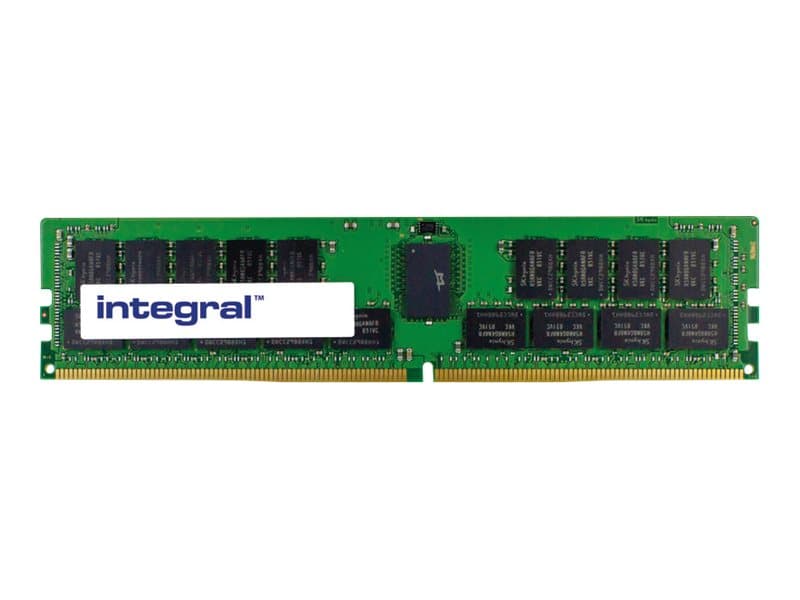
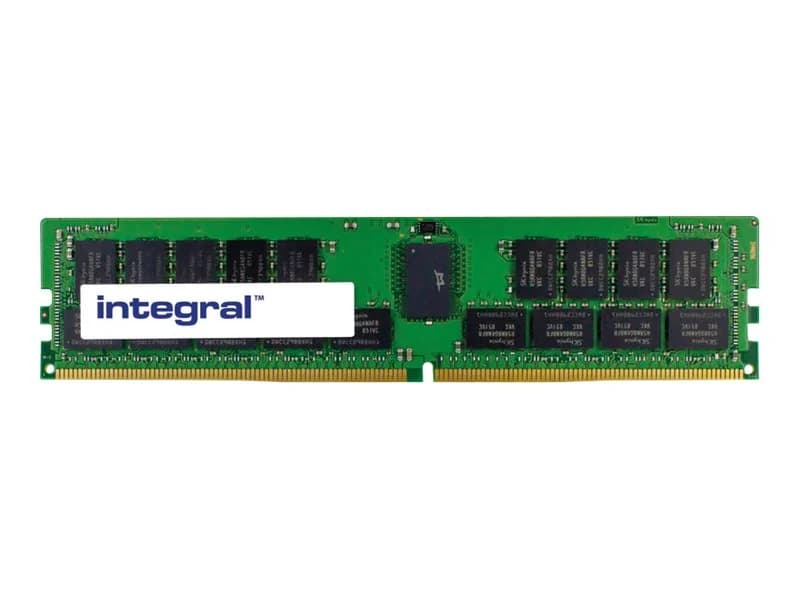
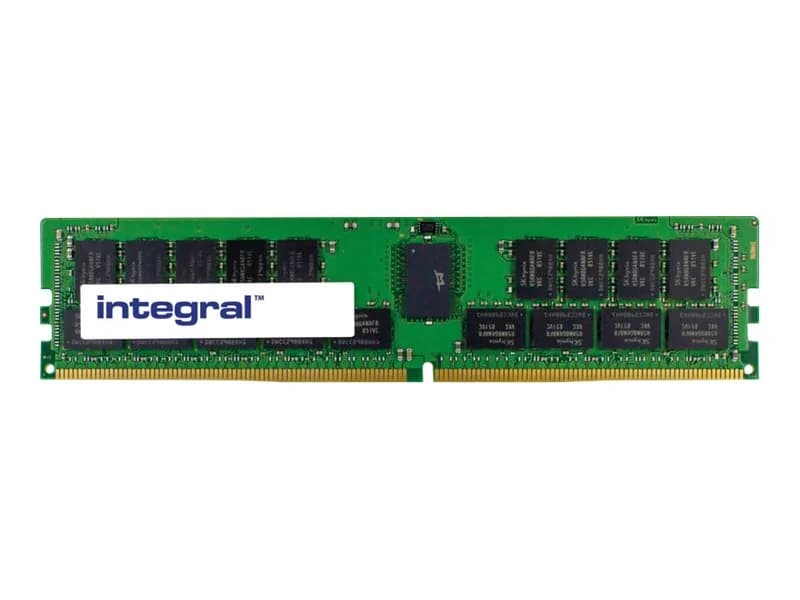
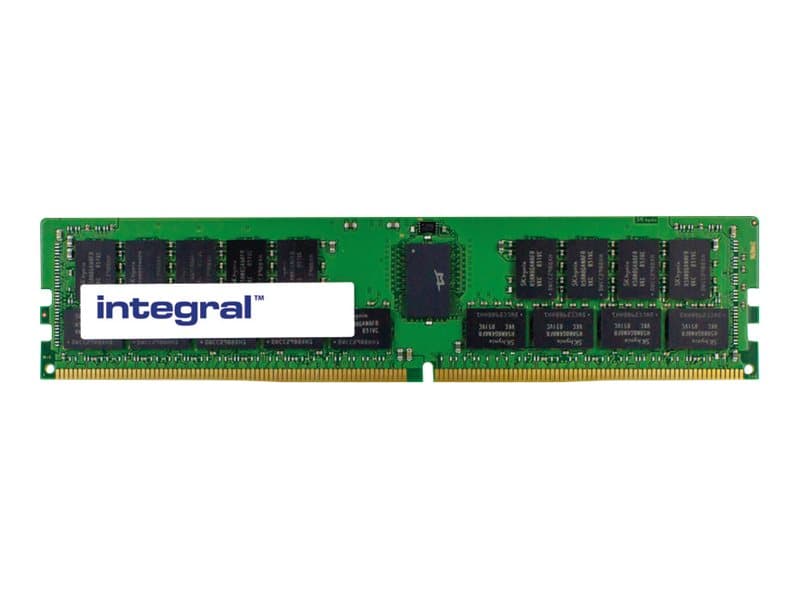
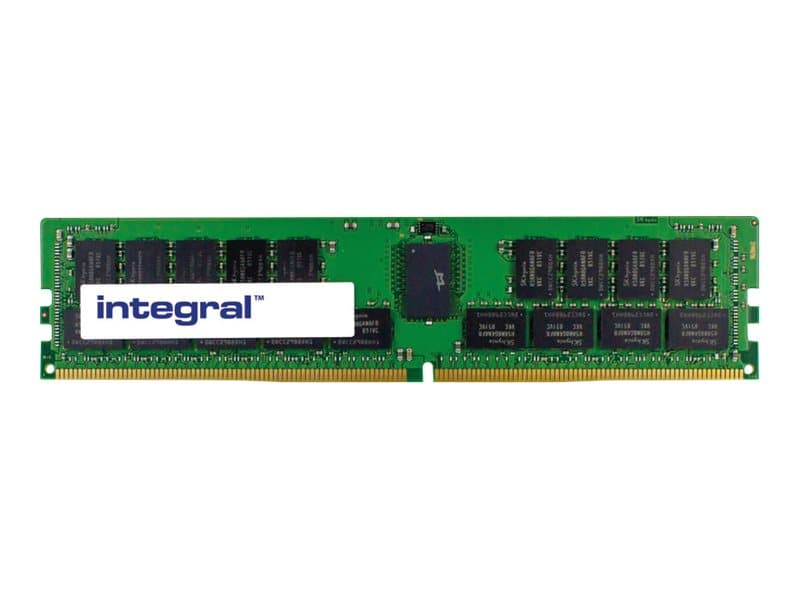
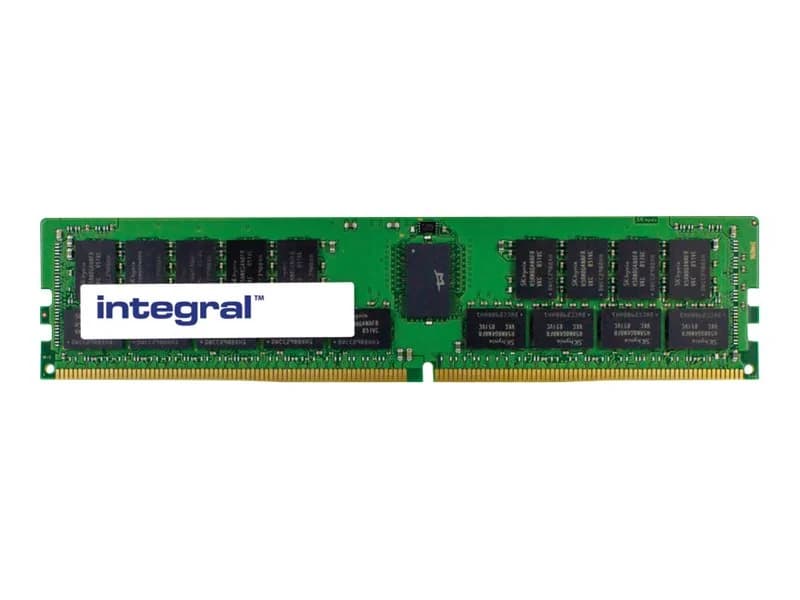
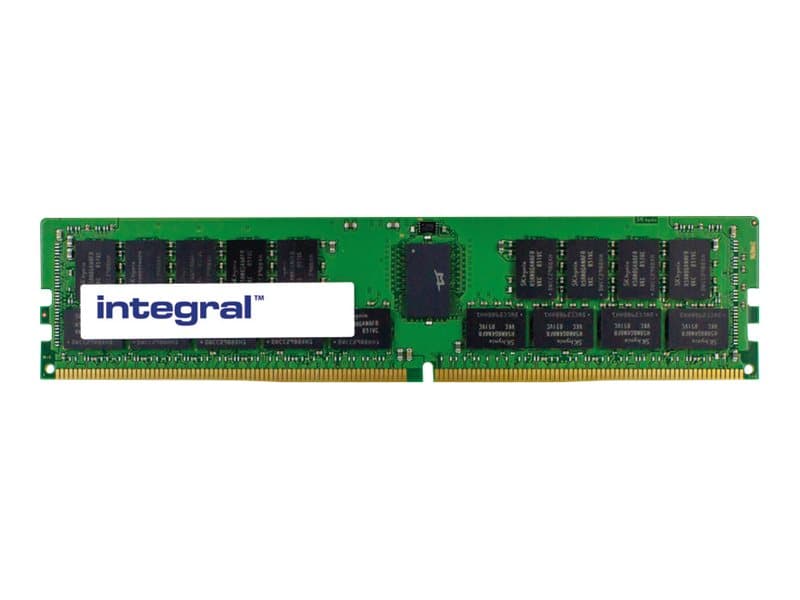
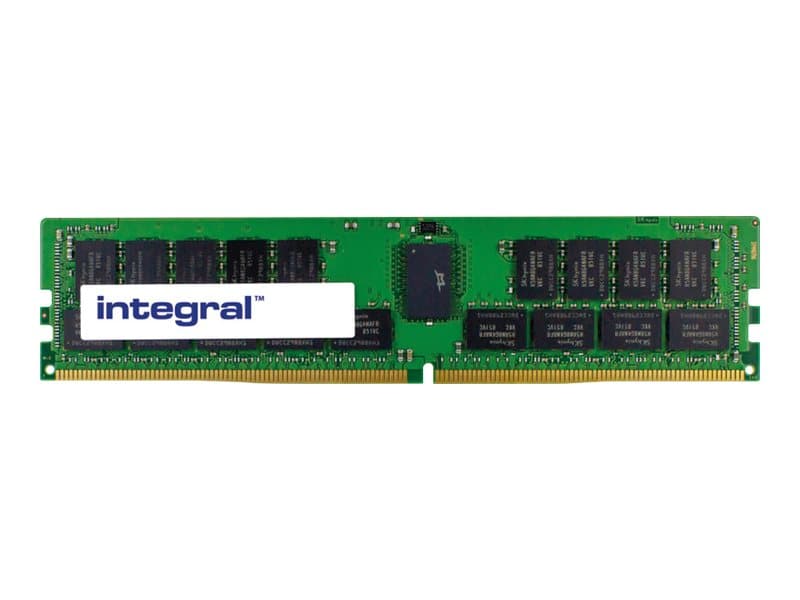
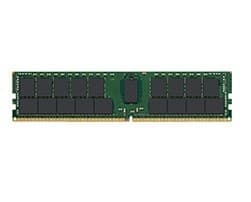
ECC server memory: RDIMM and LRDIMM
Registered (RDIMM) and load-reduced (LRDIMM) ECC modules for Xeon and EPYC servers, new and refurbished. Server memory is one of the cheapest things to buy used, so second-hand offers are shown beside new ones.
ECC Memory: buying guide
RDIMM, LRDIMM and UDIMM
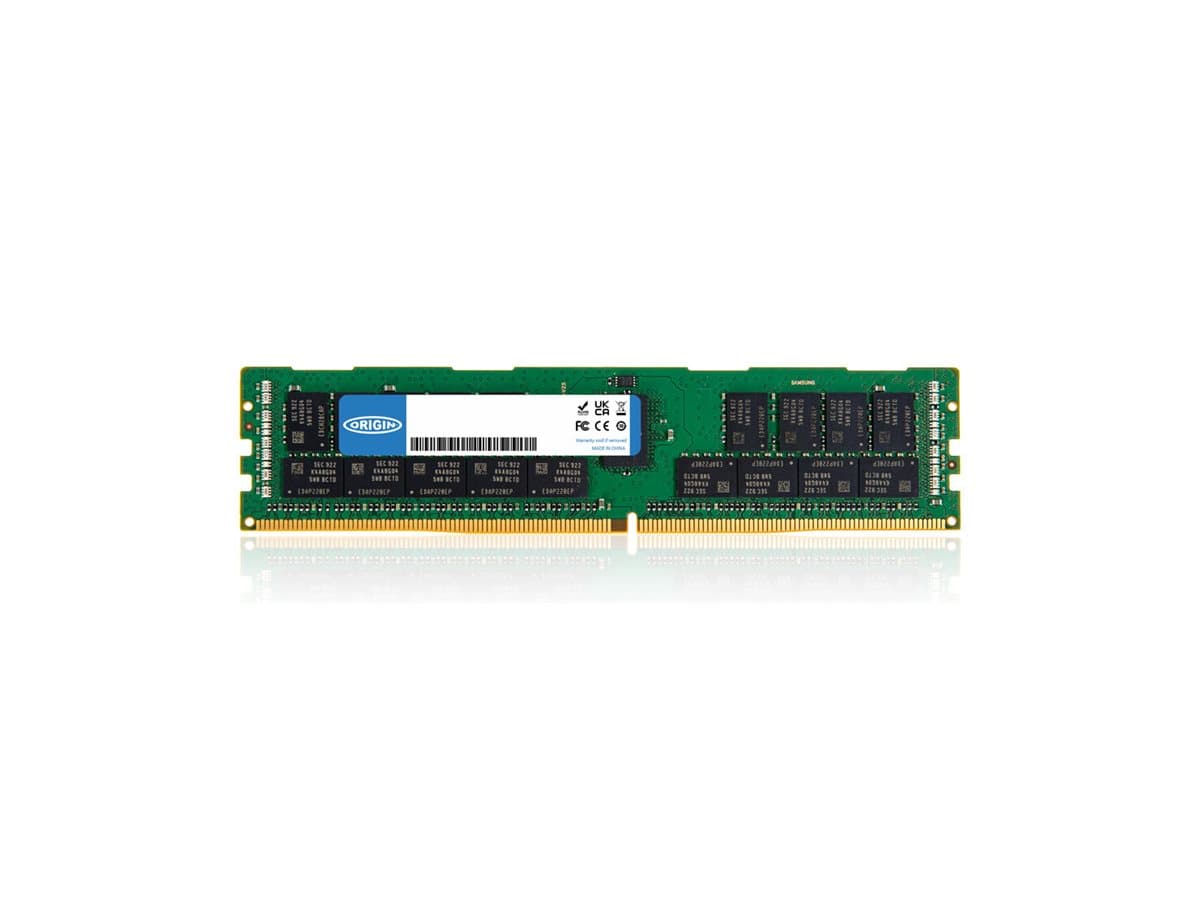
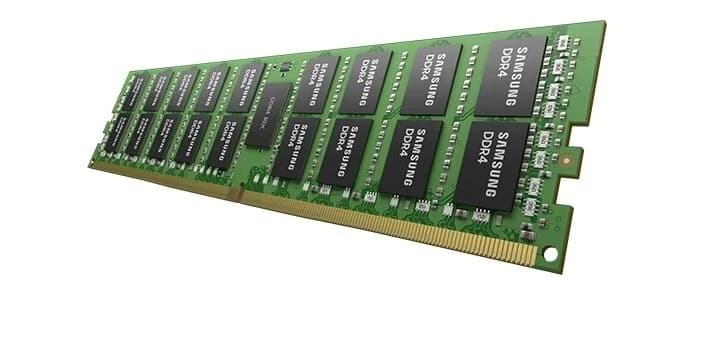
- RDIMM (registered): the standard server module. Needs a board that supports registered memory.
- LRDIMM (load reduced): for very large capacities per channel. Do not mix with RDIMMs in one system.
- ECC UDIMM (unbuffered): fits some workstation and desktop platforms that support ECC. It will not work in a board that wants RDIMMs, and RDIMMs will not work in a desktop board.
DDR5's on-die ECC is not the same thing: it protects data inside the chip, not on the way to the processor. A real ECC module has extra chips and the platform must support it.
Filling channels
Server processors read memory over many channels, often six, eight or twelve. Bandwidth comes from filling every channel with matching modules, so several smaller modules can outperform a few big ones. Check the board's manual for the population order, and match module type, speed and rank. The server builder refuses registered memory on a desktop socket.
ECC Memory: common questions
- Do I need ECC RAM for a home server?
- Not strictly, but it catches and corrects memory errors before they reach your disks, which matters most for ZFS and data you cannot replace. Server platforms usually require it anyway.
- Can I use ECC RAM in a normal PC?
- Registered ECC (RDIMM) will not work in a desktop board. Unbuffered ECC works in some desktop and workstation platforms that support it, so check the board and processor specification.
- Can I mix RDIMM and LRDIMM?
- No. Use one type throughout a system, and keep speed and rank matched for the best results.